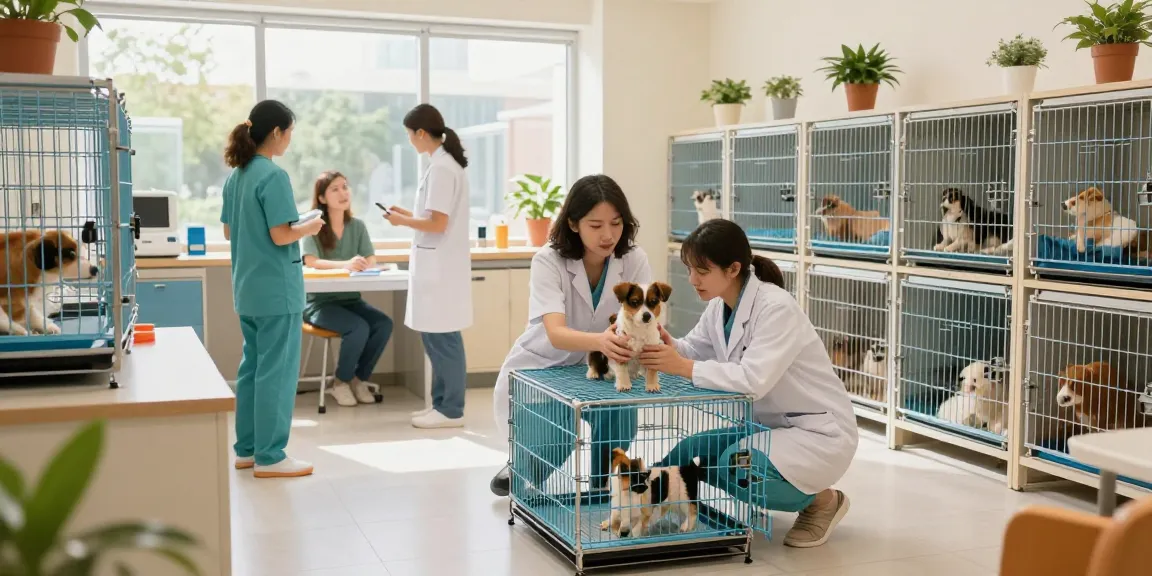
Understanding the Importance of Veterinary Cages
In the world of veterinary care, the environment in which animals are housed is pivotal to their health and well-being. Safe, secure, and comfortable housing can significantly affect an animal's recovery, anxiety levels, and overall health. Veterinary cages are not merely functional structures; they are essential tools that contribute to the efficient operation of veterinary practices. Choosing the right cages is crucial for any animal professional aiming to provide the best care. When exploring options, Veterinary Cages are a fundamental consideration that can enhance the experience for both animals and their caretakers.
Why Safe and Secure Animal Housing Matters
The importance of secure animal housing cannot be overstated. Animals in a veterinary setting often experience stress due to unfamiliar environments and medical procedures. A well-designed cage provides a safe haven where animals can feel secure. Research shows that animals placed in safe and comfortable environments recover faster and exhibit fewer stress-related behaviors, leading to better overall health outcomes.
Common Misconceptions About Veterinary Cages
There are several myths surrounding veterinary cages. One common misconception is that all cages are the same. In reality, cages vary widely in design, materials, and suitability for different species. Another misconception is that cages can hinder the healing process. On the contrary, when designed correctly, they can promote a healing environment by minimizing stress and providing comfort.
The Role of Veterinary Cages in Animal Health
Veterinary cages play a pivotal role in the treatment and recovery of animals. They provide a controlled environment that can be adjusted according to the needs of the animal. Features such as climate control, soundproofing, and visibility can enhance the comfort of the animals, thereby positively impacting their healing process.
Choosing the Right Veterinary Cages for Your Practice
Choosing the appropriate veterinary cages involves a thorough understanding of your specific needs. Each veterinary practice is unique, and various factors come into play when selecting the best cages. Evaluating the appropriate size, material, and design for your space is essential to ensure that the cages function effectively in the environment they will inhabit.
Factors to Consider When Selecting Cages
When selecting cages, consider the following factors:
- Size: Ensure that cages are adequately sized for the animals you will house, allowing for movement and comfort.
- Material: Different materials offer varying levels of durability, cleanliness, and safety. Stainless steel is often preferred for its non-porous surfaces that can be easily sanitized.
- Design: The design should facilitate easy access for veterinary staff while ensuring the comfort of the animals.
- Ventilation: Proper airflow is critical to prevent the buildup of odors and pathogens.
Comparing Materials and Durability
The choice of materials used in veterinary cages greatly affects durability and maintenance. Stainless steel cages are popular for their resistance to corrosion and ease of cleaning. Furthermore, plastic cages can be lightweight and easier to move but may not offer the same level of durability. Understanding the pros and cons of each material will aide in making an informed decision.
Customizing Cages for Different Animal Species
Different species have varied needs, and customizing cages can greatly improve the care they receive. For example, cages designed for small mammals should allow for climbing and hiding opportunities, while those for larger animals may require more space and sturdier construction. Tailored solutions can ensure each animal's comfort and safety.
Best Practices for Maintaining Veterinary Cages
Maintaining clean and functional veterinary cages is essential for the health of the animals and the efficacy of your practice. Regular maintenance routines protect the investment in your cages and ensure that the environment remains safe and hygienic.
Sanitation and Hygiene Protocols
A rigorous sanitation protocol should be established and followed diligently. This includes regular cleaning with appropriate disinfectants to eliminate pathogens and avoid cross-contamination between animals. Establishing a routine schedule for cleaning and inspection will help maintain a high standard of hygiene.
Regular Maintenance and Inspections
Ongoing maintenance requires regular inspections of cages for any wear and tear. Check for sharp edges, loose parts, or other hazards that could pose a risk. Promptly addressing maintenance issues can prevent accidents and ensure the continued safety of both animals and staff.
Creating a Comforting Environment for Animals
Enhancing the comfort of animals in cages can involve simple interventions, such as adding bedding, toys, or visual barriers to reduce stress. Providing enrichment can help keep the animals calm and happier during their stay, ultimately leading to better recovery and care outcomes.
Exploring Innovations in Veterinary Cages
As veterinary practices evolve, so do the cages used within them. Keeping abreast of innovations in cage design can offer significant benefits for animal welfare and operational efficiency.
Trends Shaping the Future of Veterinary Cages
Current trends in veterinary cages emphasize humane design and advanced technology. There is a growing focus on adjustable units that can accommodate different species and sizes, allowing for flexible use. Additionally, eco-friendly materials are gaining popularity, aligning with sustainability goals.
Technological Advances in Cage Design
Integrating technology into cage design can streamline operation and improve care. Features such as automated feeding systems, climate control, and monitoring devices allow for better management of the animals' needs. These advancements contribute not only to operational efficiency but also enhance the overall welfare of the animals.
Smart Cages: Enhancing Animal Care
Smart cages equipped with sensors and connectivity can monitor the well-being of animals. These systems can track vital signs, activity levels, and even behaviors, alerting staff in case of any anomalies. This technological integration allows for proactive care, leading to better health outcomes.
Real-World Applications and Case Studies
Understanding how veterinary cages impact practices in real-world settings provides valuable insights into their importance. Case studies from various veterinary clinics illustrate the significant differences quality cages can make.
Success Stories from Veterinary Clinics
Numerous veterinary clinics have reported improved patient recovery rates after upgrading their cage systems. For instance, one clinic documented a 25% reduction in recovery time for post-surgical animals after transitioning to better-ventilated and customized cages. These changes led to a more organized and humane treatment environment.
Impact of Cage Quality on Animal Welfare
The quality of cages profoundly impacts the welfare of animals. Studies indicate that high-quality cages reduce stress and anxiety in animals, leading to fewer behavioral issues. Facilities that prioritize the welfare of their patients often see a positive reputation within the community, which can lead to increased business.
How to Measure the Effectiveness of Your Cage Setup
Evaluating the effectiveness of your cage setup can be done through observation and performance metrics. Tracking recovery times, stress levels, and overall animal behavior can provide insights into how well the cages serve their purpose.
What Are the Benefits of Veterinary Cages?
Veterinary cages offer multiple benefits, including improved animal safety, hygiene, and overall care. By providing a secure space, they help reduce stress and anxiety, which can positively influence recovery times and treatment outcomes.
How Do Different Materials Affect Cage Lifecycle?
The material of the cage directly impacts its lifecycle. Stainless steel cages can last many years with proper care, while plastic cages may need to be replaced more frequently due to wear and tear. Understanding the lifecycle of materials can ensure long-term cost-effectiveness.
Can You Customize Veterinary Cages for Unique Needs?
Customization is possible for veterinary cages, allowing practices to cater to specific needs of various species. Tailored designs can maximize comfort and care, making a significant difference in animal welfare.
What Are the Latest Trends in Animal Care Equipment?
Emerging trends in animal care equipment include modular cage units, eco-friendly materials, and smart technology. These innovations indicate a shift toward greater customization, sustainability, and efficiency in veterinary practices.
How Can Veterinary Cages Improve Client Trust?
Providing a high standard of care through quality cages builds trust with pet owners. Clients who see that their pets are housed in safe, comfortable environments are more likely to feel confident in the care their animals receive, leading to long-lasting relationships.